From Budgeting to Stewardship: How Hurricane Melissa Forced My Biggest Pivot Yet
Quick Answer: How Do You Handle Money During a Life Storm?
When crisis hits—whether a hurricane, job loss, or health emergency—financial stewardship means pausing to protect your energy, assessing damage without judgment, and prioritizing your “four walls” (food, shelter, utilities, transportation) before anything else. It’s not about perfect budgeting; it’s about wise management of limited resources during survival mode.
Key actions:
- Give yourself grace — productivity is impossible in trauma
- Assess without judgment — look at numbers as data, not failure
- Protect the four walls — everything else can wait
Below, I’ll walk you through what happened, what I learned, and where I’m headed next.

🎥 Watch: From financial shame to stewardship — how I got here
The Storm That Changed Everything
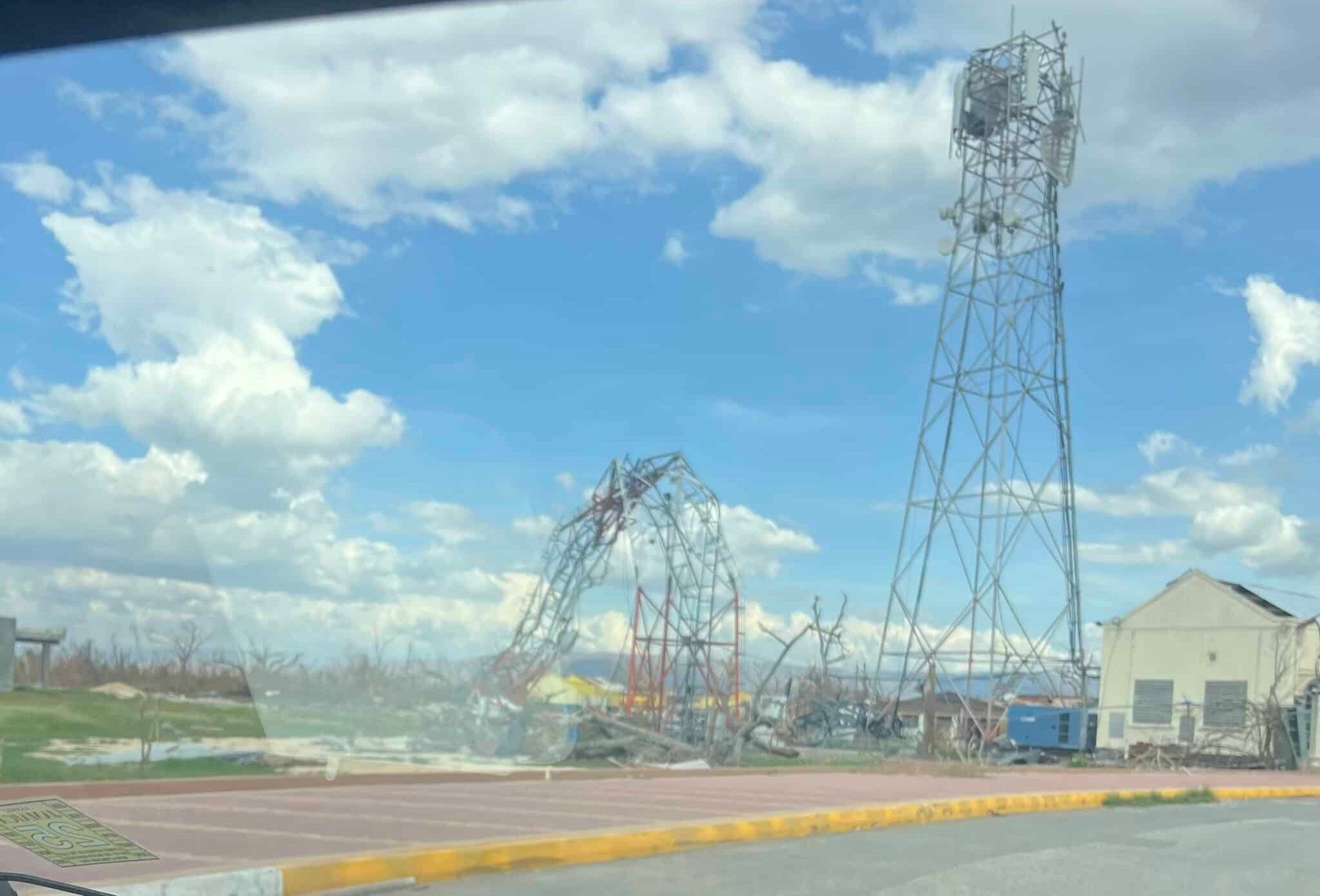
I haven’t been in your ears since October. If you follow me on social media, you know why: Hurricane Melissa hit Jamaica, and life got real.
For over a month, I had no power. No water. No cell service. No internet. Thirty days of sitting under candlelight every night, using flashlights, carefully rationing water. We were in pure survival mode.
At first, I felt guilty. As creators, we’re told consistency is king—that you must show up for your audience to get results. And that’s true… until it isn’t. Sometimes the most practical thing you can do is pause.
I had to ask myself: Am I being a good steward of my energy right now? If I’m burnt out and overwhelmed by external storms, I can’t serve you well. So I stepped back. I focused on my family, my community (we organized GoFundMes, grocery bags, food delivery), and my own capacity.
And that hiatus changed everything. It moved me from talking about budgeting to talking about stewardship—my word for this year, and the framework for everything I’m building now.
Severe weather financially impacted 20% of Americans in 2024, up from 19% in 2023 and 13% in 2022 — Federal Reserve data. For those already in precarious financial situations, natural disasters create difficult long-term impacts: credit scores drop an average of 29 points for those with poor credit, and debt in collections rises by 25% four years after a medium-sized disaster.
What Is Stewardship? (And Why It’s Bigger Than Budgeting)
Budgeting is tactical. Stewardship is strategic.
Budgeting tells your money where to go. Stewardship asks: Am I managing my resources—time, energy, money, relationships—in alignment with my vision and values?
This shift didn’t come from a book. It came from sitting in the dark, literally, wondering if my business would survive and realizing that “surviving” wasn’t the same as “thriving.”
Stewardship, as I’m practicing it now, has two dimensions:
| Internal Stewardship | External Stewardship |
|---|---|
| Managing your body, mind, and capacity | Managing money, community impact, and legacy |
| Self-care as enabler, not indulgence | Financial decisions aligned with values |
| Knowing when to rest | Knowing when to give |
This framework became my lifeline—and it’s what I’m bringing to my Financial Academy this year.
Learn more about the stewardship framework in my interview with Ray’Chel Wilson
3 Lessons from Hurricane Melissa
1. Give Yourself Grace
Stop beating yourself up for not being productive when you’re in survival mode. We were truly in survival mode—no power, limited water, charging our phones in the car just to stay connected, figuring out how to keep the kids fed and calm.
I kept telling myself: Tiffany, you love this business. It’s your money maker. But you have to give yourself grace. And luckily, I had people around me affirming the same thing.

🎥 Watch: This is what I mean by giving yourself grace — rest isn’t indulgence, it’s stewardship
The research backs this up: Financial trauma is real, and pushing through it without processing creates worse long-term outcomes. A study on financial resilience after natural disasters found that households who made rushed financial decisions during immediate crisis periods often took years longer to recover than those who paused to stabilize first.
2. Assess the Damage Without Judgment
When we finally got power back, I had to look at my bank account. And I’ll be honest—it was scary. I logged in and saw $2. Coming off being sick most of last year, then a month+ with no ability to work… the numbers weren’t pretty.
But here’s what I tell my clients, and what I had to practice myself: Look at your bank account, calendar, and obligations without judgment.
If you have $2 in your account, say: “Okay, I have $2. That’s data. Now what?” Don’t scroll through transactions beating yourself up about Target runs or subscriptions. You can’t change what already happened. You can only move forward.
Nearly 60% of Americans don’t have enough money put away to handle common financial emergencies, according to Bankrate’s 2026 Emergency Savings Report. If you’re in this position, you’re not alone—and judgment only delays the solution.
3. Prioritize the Four Walls
In personal finance, the “four walls” are: food, shelter, utilities, and transportation. In business, it’s your core mission and most loyal audience. Everything else can wait.
While going through those changes, I made sure:
- My kids had food on the table
- We had shelter over our heads
- Utilities were managed as best we could
- Transportation was secured (we used the car to charge devices and drive into town for internet)
In my business, I kept my mission clear and stayed connected through social media—the easiest way I could reach people at the time.
This isn’t fancy financial planning. It’s stewardship under constraint—managing what you have wisely when resources are scarce.

The Pivot: What’s Coming in 2026
This hiatus transformed my work. I’m back—and I’ve been busy behind the scenes building something new.
This post kicks off my Financial Literacy Month series on stewardship — four episodes dropping every Thursday in April, starting with “The Pivot” on Thursday, April 2 at 5:00 AM.
My 2026 focus: Everything revolves around stewardship. If you’re subscribed to my newsletter, you’ve seen this theme in every email. I’ll be doing solo episodes for a while (then returning to interviews later this year), all exploring stewardship from different angles:
- Stewardship of energy and capacity
- Stewardship of community and relationships
- Stewardship of money and resources
- Stewardship of vision and legacy
I’ve also built new guided paths at moneytalkwitht.com/start to help you find your financial footing—whether you’re overwhelmed, hustling, seeking, creating, or building wealth.
Want the full conversation? Listen to the complete episode
Frequently Asked Questions
What’s the difference between budgeting and stewardship?
Budgeting is a tool—allocating dollars to categories. Stewardship is a philosophy—managing all your resources (time, energy, money, relationships) in alignment with your values and vision. Budgeting asks “where does this dollar go?” Stewardship asks “does this use of resources serve the life I’m building?”
How do you practice financial stewardship during a crisis?
First, protect your capacity—give yourself grace to function below normal productivity. Second, assess your actual situation without shame. Third, prioritize ruthlessly: food, shelter, utilities, transportation. Everything else waits. Fourth, communicate with stakeholders (clients, audience, family) about your constraints.
Is it okay to pause my business or side hustle during a personal emergency?
Yes. Research on nonprofit financial resilience during disasters shows that organizations that pause to stabilize before pushing forward recover faster than those that try to “push through” indefinitely. The same applies to individuals.
How do I rebuild financially after a disaster or long hiatus?
Start with the four walls. Then assess: what income streams can restart quickly? What expenses can be reduced or eliminated? What community resources are available? Consider this a “financial reset” rather than “catching up”—you’re building a new foundation, not reconstructing the old one.
What if I feel guilty about not being productive during hard times?
Guilt is common but unproductive. Research on financial psychology shows that self-compassion during financial setbacks leads to faster recovery and better long-term decision-making. Treat yourself as you would treat a friend in the same situation—with understanding, not criticism.
Your Stewardship Starts Now
Hurricane Melissa took a lot from me and my community. But it gave me something too: clarity about what really matters, and a framework for helping you navigate your own storms.
Stewardship isn’t about perfection. It’s about wise management of what you have, where you are, with the capacity you’ve got.
If you’re in survival mode right now—give yourself grace. Assess without judgment. Protect your four walls. And when you’re ready, let’s build something sustainable together.
Related Resources
| Topic | Link |
|---|---|
| Stewardship Interview with Ray’Chel Wilson | Deeper dive into the stewardship framework |
| Find Your Financial Path | Take the quiz to get your personalized starting point |
| Credit Building Hub | Complete guide to building credit from scratch |
| Retirement Planning Guide | How much do you need to retire? |
